
Imagine a customer service agent that never sleeps. This agent speaks dozens of languages, answers instantly, and never gets tired. A few years ago, this sounded like science fiction. Today, businesses use modern conversational AI technology to make this a reality.
Early digital assistants often frustrated users with rigid, robotic answers. Now, generative AI chatbots have changed the game completely. These advanced tools understand human context, write unique replies, and solve complex problems.
In this guide, you will learn how these tools work. We will cover their core technology, key business benefits, and how to choose the right platform for your needs.
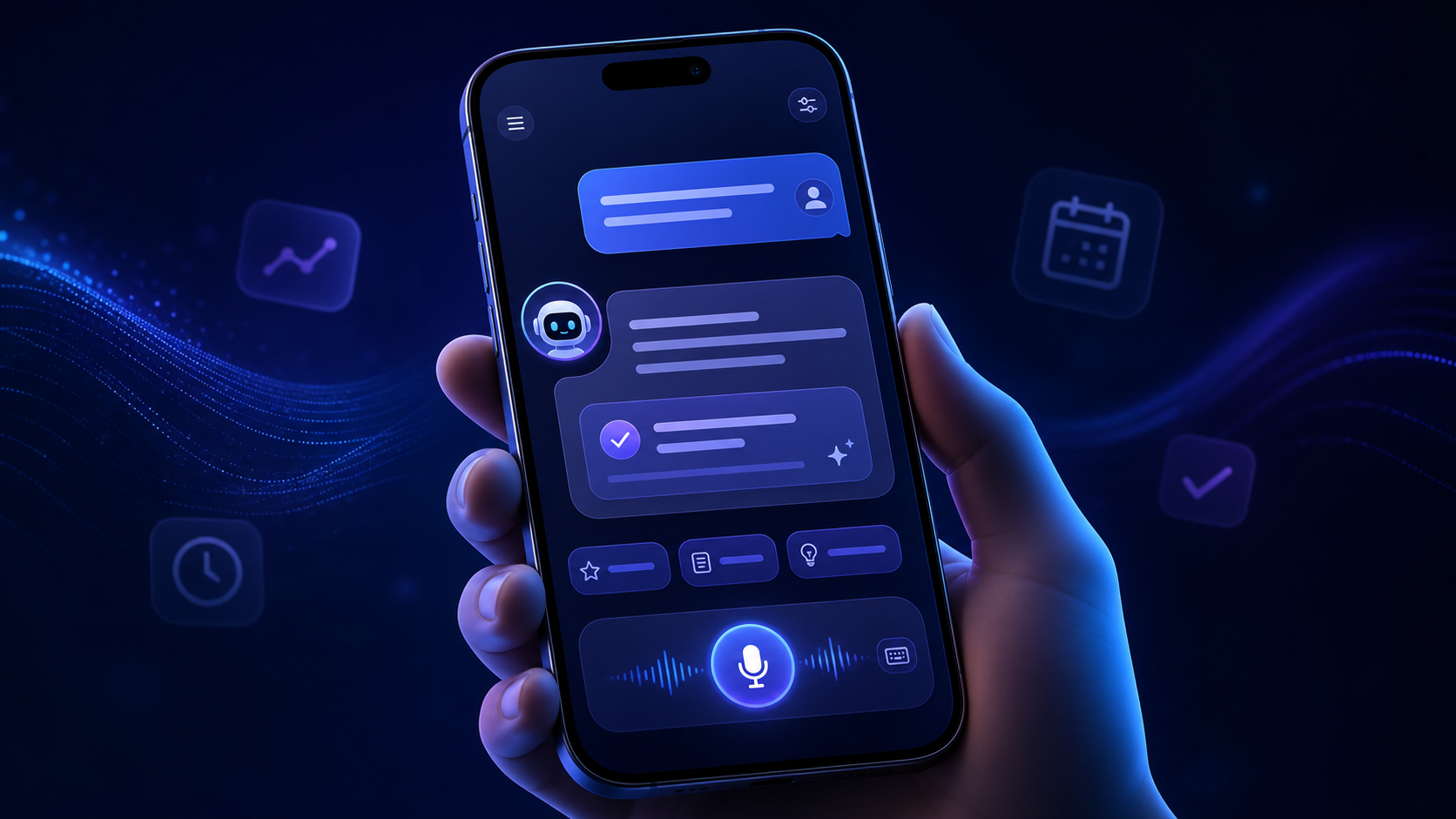
What is an AI Chatbot?
An AI chatbot is a software application that mimics human conversation. Unlike older systems, these tools use machine learning to understand what users mean instead of simply looking for exact keyword matches. In the past, software developers had to write code for every possible interaction, which limited what computers could do.
Today, modern systems use machine learning to adapt to the user, meaning the software becomes smarter the more people use it. These tools learn from vast amounts of data and can communicate through text, voice, or even images, making them highly flexible solutions for modern businesses.
Many people interact with these systems every day without realizing it, whether booking flights, checking bank balances, or finding the right clothing size online. AI chatbots make digital interactions feel like natural conversations.
How These Tools Differ from Traditional Bots
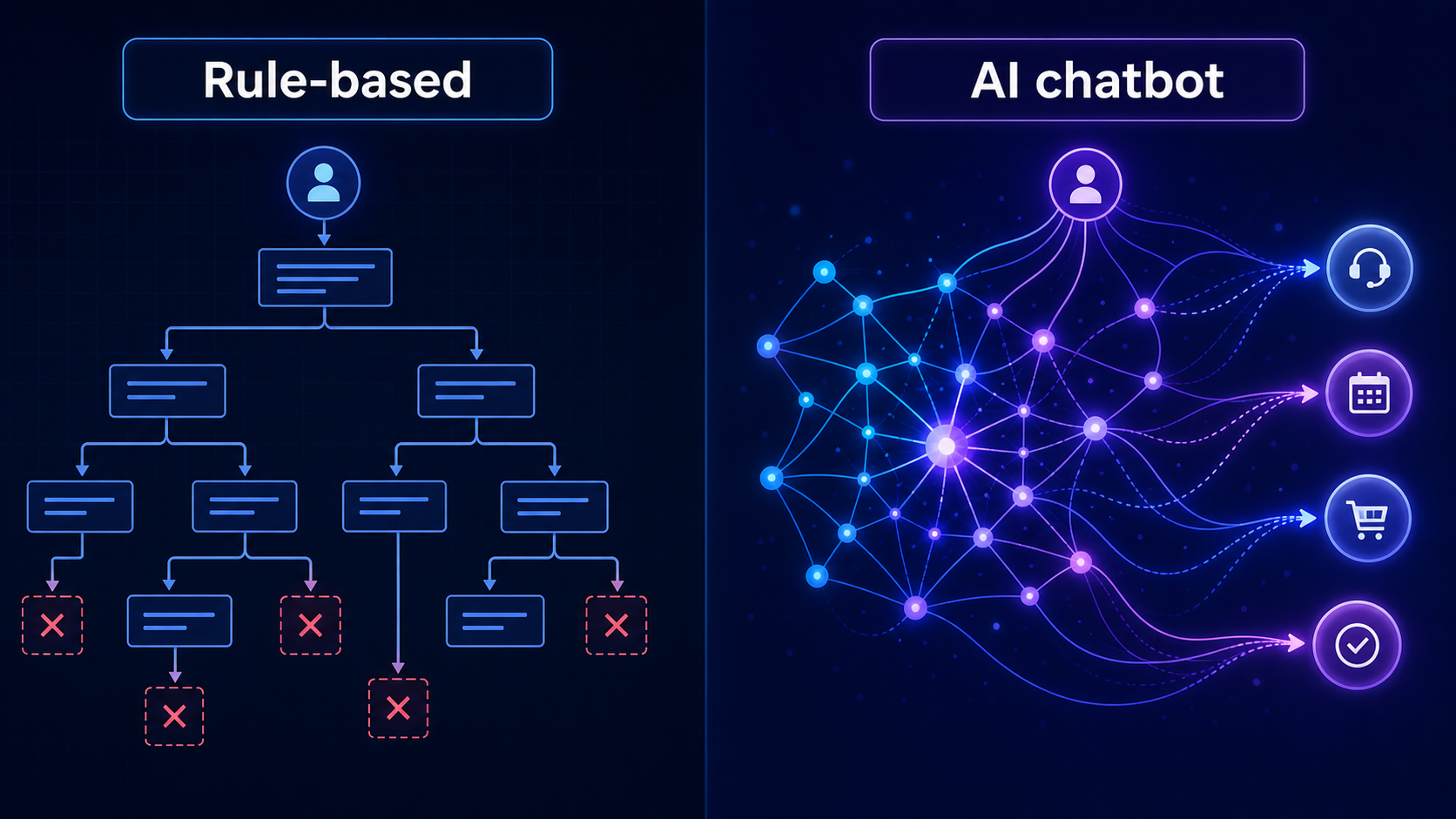
Understanding the difference between traditional and AI chatbots helps explain why modern conversational AI is so powerful. Older rule-based bots function like a simple phone tree by following strict rules and pre-written scripts.
If a user enters a phrase that the developer did not anticipate, the bot usually displays an error message or repeatedly presents the same options. Many people have experienced the frustration of being stuck in an endless support loop with a traditional chatbot.
AI-powered chatbots eliminate this problem by allowing users to communicate naturally. Instead of relying on fixed conversation paths, they use large language models to understand user intent, handle spelling mistakes, recognize slang, and respond effectively even when conversations change direction unexpectedly.
Traditional rule-based bots rely on pre-written scripts and button-based navigation, whereas LLM-powered AI chatbots generate unique responses in real time. Rule-based bots search for exact keywords, while AI chatbots understand context, intent, and even emotion.
Traditional bots often fail when users move away from scripted conversations, but AI chatbots adapt naturally to conversational changes and typing errors. Setting up traditional bots requires manually mapping every conversation path, whereas AI chatbots learn from existing documents and business data. Traditional bots require manual updates from developers, while AI-powered systems continuously improve through learning.
The Core Technologies Behind Modern Bots
Modern AI chatbots do not think like humans. Instead, they combine several advanced technologies to process language and generate meaningful responses.
Natural Language Processing (NLP) and Natural Language Understanding (NLU)
At the heart of every intelligent chatbot is Natural Language Processing (NLP), which enables computers to read, analyze, and generate human language by breaking sentences into understandable components. However, simply reading words is not enough. Natural Language Understanding (NLU) helps the chatbot determine what the user actually intends. For example, if someone writes, "My package is not here yet," NLU recognizes that the customer wants a shipping update rather than simply identifying the individual words. To learn more about this technology, explore our guide on Natural Language Processing basics.
Large Language Models (LLMs) and Generative AI
Modern AI chatbots rely heavily on Large Language Models (LLMs), which are trained using enormous collections of books, articles, and websites. These models learn relationships between words and predict the most appropriate response. When users interact with generative AI chatbots, the system first analyzes the user's input, retrieves context from previous messages to maintain conversation flow, searches its training data for the most suitable response patterns, and finally generates a completely new, natural-sounding answer. This entire process takes place within milliseconds, allowing AI chatbots to maintain meaningful conversations across a wide range of topics.
Why Your Company Needs AI Chatbots
Implementing AI chatbots can significantly improve business operations. One of the biggest benefits is saving valuable employee time by handling repetitive customer questions, allowing human teams to focus on more complex tasks.
AI chatbots also operate twenty-four hours a day, ensuring customers receive immediate assistance regardless of the time. In addition, they easily scale to handle thousands of simultaneous conversations without requiring additional support staff during busy periods.
AI chatbots also collect valuable customer interaction data, helping businesses understand common questions, improve products, update website content, and identify recurring issues before they become major problems.
Common Use Cases Across Industries
AI chatbots are transforming businesses across many industries through customer support automation and internal productivity improvements.
Customer Support and Service Automation
Many organizations use customer service chatbots as their first line of customer support. These systems answer product questions, provide order updates, process returns, and resolve common customer inquiries. For example, a retail brand called "TrendWear" implemented an AI chatbot that successfully resolved 70% of routine shipping inquiries. This reduced customer response times to less than ten seconds while saving the support team approximately forty working hours every week. Human agents only handled more complicated issues such as billing or account disputes.
Internal Productivity and Knowledge Management
AI chatbots also improve internal business operations by acting as intelligent productivity assistants. Employees use these tools to search internal databases, summarize lengthy documents, prepare emails, and quickly locate company information. A software company called "DevFlow" integrated an AI assistant into its internal Slack workspace, allowing developers to instantly search company documentation. As a result, onboarding time for new employees decreased by thirty percent because they could independently find answers instead of waiting for assistance from senior colleagues.

How to Choose the Right Conversational Platform
Selecting the right AI chatbot requires careful planning based on your business objectives, available budget, and technical capabilities.
The Build vs. Buy Framework
Businesses must first decide whether to purchase an existing chatbot platform or build a custom solution. Buying a pre-built platform is generally faster, less expensive, and requires little or no coding, although customization options may be limited. Building a custom chatbot offers complete flexibility and seamless integration with internal systems, but it requires a larger investment of both time and money. If you choose the custom approach, you can partner with our team for custom AI development.
Security and Data Privacy
Protecting customer information is essential when implementing AI chatbots. Businesses should choose platforms that comply with privacy regulations such as GDPR and CCPA while ensuring customer conversations remain encrypted and securely stored. Access to chatbot transcripts should also be restricted to authorized personnel only.
A financial institution called "SecureBank" provides a practical example. Because of strict regulatory requirements, the company could not use a public AI chatbot platform. Instead, it developed a secure chatbot hosted on private servers. This approach protected sensitive customer information while successfully automating fifty percent of basic banking inquiries.
Best Practices for Implementing Your Bot
To maximize success, businesses should begin with a small pilot project rather than attempting a company-wide rollout immediately. Starting with a simple use case, such as answering frequently asked questions, allows organizations to evaluate performance before expanding functionality. It is equally important to maintain human support options so customers can easily connect with a live representative whenever necessary. Finally, AI chatbots should always be trained using clean, accurate, and regularly updated business information to ensure reliable responses. For broader implementation strategies, read our guide on generative AI in business.
Future Trends in Conversational AI
The future of conversational AI is evolving rapidly. In the coming years, AI chatbots will become increasingly proactive by anticipating user needs rather than waiting for questions. They will also support multimodal interactions, allowing users to communicate through text, voice, images, and video within a single conversation. Autonomous AI agents will perform increasingly complex tasks such as scheduling meetings, booking travel, managing calendars, and collaborating with other AI systems to complete workflows automatically.
Conclusion: Embracing the AI Revolution
AI chatbots are no longer a luxury available only to large technology companies. They have become essential business tools for organizations that want to improve customer service, reduce operational costs, and scale efficiently. By understanding how AI chatbots work, businesses can choose the right solution based on their needs and objectives. Whether adopting a ready-made platform or developing a custom solution, the benefits are significant. Start exploring conversational AI today and transform the way your business connects with customers.