
The way we explore the internet is changing fast. For years, we typed keywords into a search bar and clicked on blue links. Today, a new wave of technology transforms this process. We now use AI browsers to get direct answers instead of lists of websites.
What are AI browsers and how do they work?
AI browsers are web applications that use artificial intelligence to understand your intent. Unlike traditional browsers that simply fetch pages, these tools read, summarize, and synthesize information for you. They act as personal research assistants that browse the live web in seconds.
These browsers use large language models to process data. When you ask a question, the browser scans multiple sources simultaneously. It then crafts a unique, conversational response. This shift represents a move from passive navigation to active, intelligent information retrieval.
Key Differences Between Traditional and AI-Powered Browsers
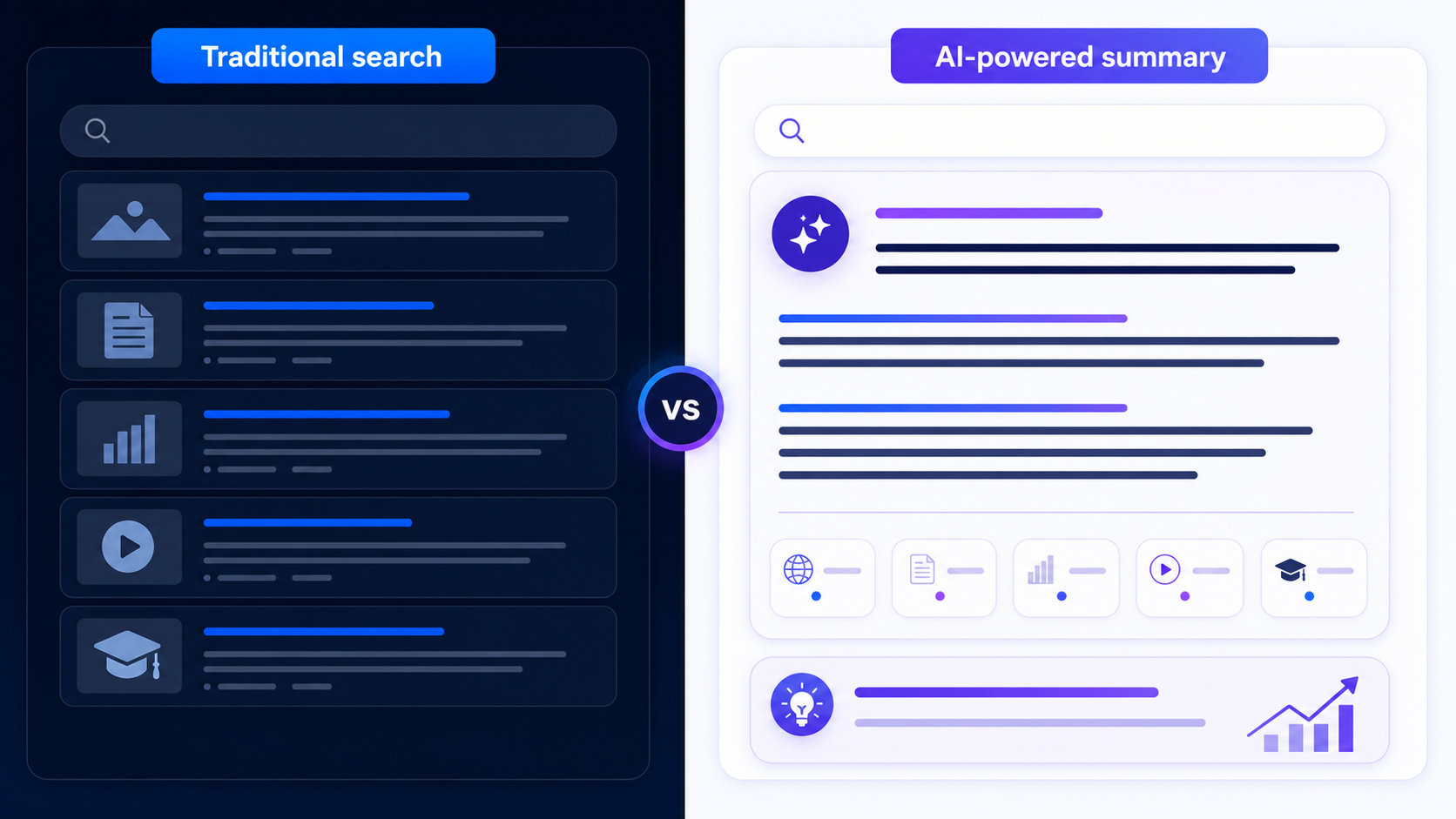
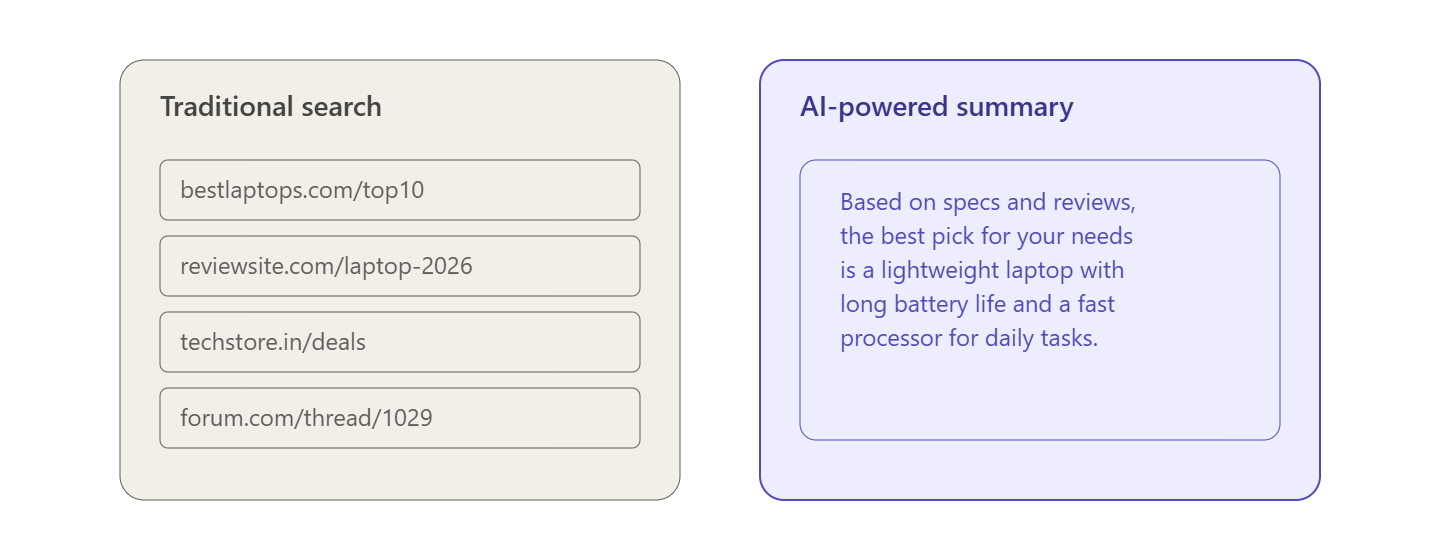
Traditional browsers act as simple portals. They render HTML and provide a path to content you choose. They rely on you to filter through search results to find the truth.
AI-powered browsers take a more proactive role. They interpret the context behind your query. If you search for "best laptops," an AI browser does not just show a list of stores. It compares technical specs, reads recent reviews, and suggests a model based on your specific needs. This is the core of an AI-powered search experience.
Overview of Leading Platforms
The market for these tools is growing quickly. Here are the top players in 2026.
Perplexity is known for its precise citations and research-heavy focus.
ChatGPT Search offers a conversational interface that feels like talking to a human expert.
Google AI Mode integrates deep search history with real-time generative summaries.
Microsoft Edge with Copilot brings AI directly into the sidebar of your primary work browser.
Arc Browser focuses on a clean, space-saving design that organizes your AI tasks efficiently.
The battle between Perplexity Comet and ChatGPT Atlas highlights the race for speed. Perplexity often leads in academic sourcing, while ChatGPT excels at creative reasoning and complex task planning.
The Shift to Semantic Search
We are moving away from keyword-based SEO toward intent-based semantic optimization. Semantic search focuses on the meaning of your words rather than just the exact terms. AI browsers look for the "why" behind your query.
If you search for "how to fix a leaky faucet," the AI knows you have a plumbing problem. It provides step-by-step instructions rather than just linking to a hardware store. This change forces creators to focus on answering questions completely and accurately.
Benefits and Risks of AI Browsing
AI browsers offer massive gains in productivity. You can summarize long documents, compare products, and plan travel in minutes. They save you from the tedious work of opening ten different tabs to find one answer.
However, risks exist. Prompt injection is a major concern for enterprise users. This happens when a malicious actor tricks the AI into ignoring its safety rules. Data accuracy also remains a hurdle. Even advanced AI can "hallucinate" or invent facts. Always verify important information with a secondary source.
Privacy Concerns in the Age of AI Browsing
AI browsers require access to more data to be effective. They need to understand your history, location, and preferences to provide personalized help. This creates privacy risks regarding how companies store and use your search data.
Users should regularly clear their AI search history. Many platforms now offer "incognito" modes for AI queries. Always check the privacy settings of your chosen browser to limit what data the AI can learn from your activity.
Impact on SEO and Digital Marketing
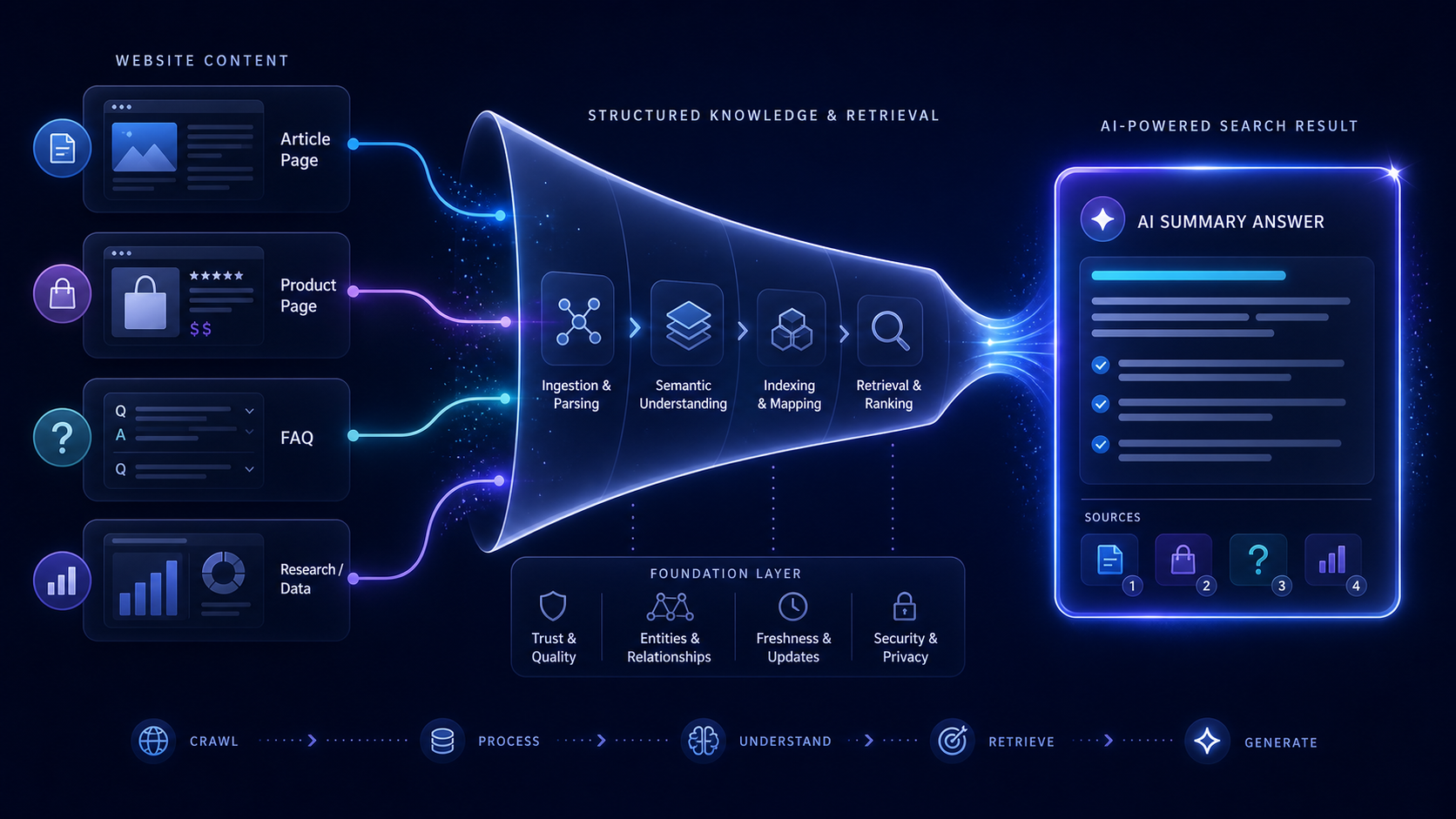
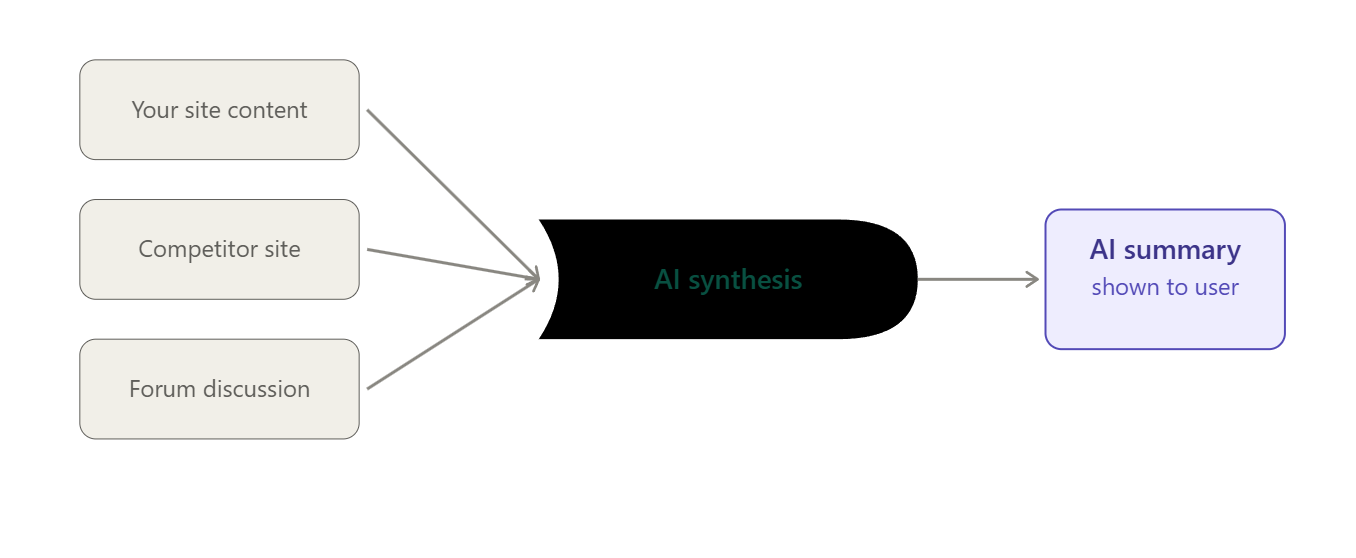
The rise of AI browsers changes SEO forever. Traditional "ranking" matters less when the AI provides the answer on its own page. This forces brands to rethink their digital marketing strategies.
Small businesses must now focus on E-E-A-T: Experience, Expertise, Authoritativeness, and Trustworthiness. If your content is the primary source for an AI summary, you win. If your content is thin or generic, the AI will ignore it.
Specific Implications for Businesses in India
The Indian digital market is unique. Many users rely on mobile-first browsing and voice search. AI browsers help bridge language gaps by translating and summarizing content in regional languages.
For Indian startups, this is a chance to reach global audiences. By creating content that AI browsers recognize as high-quality, local businesses can bypass traditional gatekeepers. Focus on local search intent to capture regional traffic before global competitors do.
Future Trends: Agentic Browsers Explained
We are entering the era of agentic browsers. These browsers do more than just summarize text. They take action on your behalf. An agentic browser can book a flight, manage your calendar, or purchase items using your saved details.
This technology represents a massive leap in utility. It turns the browser from a viewing tool into a digital agent. As these agents become more reliable, they will handle complex workflows that currently take hours of manual effort.
Adapting Your SEO Strategy for an AI-First Web
How do you stay visible? First, stop chasing keywords. Start answering common industry questions in depth. Use clear headings and structured data to help AI models crawl your site.
Create content that provides unique insights or original research. AI models prioritize data that they cannot find elsewhere. If you provide the "source of truth," the AI will cite your website as the authority. This builds trust and encourages users to click through to your site for more details.
Target long-tail questions that users ask when they are ready to buy.
Use clear, simple language that AI models can easily summarize.
Optimize for high-quality backlinks, as these signals remain crucial for trust.
Conclusion: Preparing for the Next Generation
AI browsers are not just a trend. They are the new interface for the internet. While they change how we find information, they also create new ways to connect with users.
Businesses that adapt now will lead the market tomorrow. Focus on high-quality, intent-based content to ensure your brand remains relevant. As we move toward a future of agentic browsing, stay curious and keep experimenting with these powerful new tools. The web is evolving, and you should evolve with it.